- (725) 262-4020
- 4225 N Lamb Blvd,, Las Vegas, NV 89115
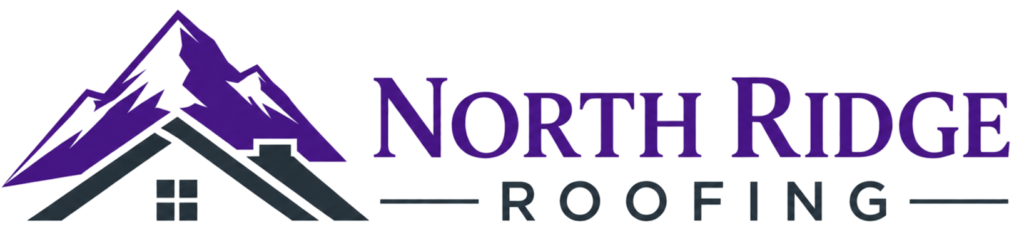
Managing a commercial property in the Mojave Desert means fighting a constant battle against intense UV radiation and extreme temperature swings. Ethylene propylene diene monomer, commonly known as EPDM, is a synthetic rubber single-ply membrane designed to handle exactly these conditions. At North Ridge Roofing, we install high-grade EPDM roofing systems that protect your warehouse, retail center, or office building from the punishing Las Vegas sun. This material is highly valued for its exceptional UV resistance and its ability to stretch and contract during intense thermal expansion cycling without cracking or splitting.
When our experienced technicians evaluate your low-slope roofing, we look closely at the underlying roof deck substrate to ensure a clean, stable foundation. For most local commercial properties, we recommend a 60-mil membrane thickness to provide superior puncture resistance and long-term durability. Depending on your building’s structural load capacity and wind-uplift requirements, we can install a fully adhered installation using high-strength bonding adhesive, or a mechanically fastened membrane. Every detail, from the parapet wall flashing to the membrane splice seam, is executed to prevent future leaks.
Flat roof drainage is another critical factor in Southern Nevada. While we don’t get rain every day, the sudden downpours of the summer monsoon season can quickly overwhelm a poorly designed system. We make sure your EPDM membrane integrates seamlessly with all drains, scuppers, and gutters. By using heavy-duty seam tape and bonding adhesive on every joint, we eliminate the weak points where water typically forces its way in. It is a straightforward, practical approach to commercial asset protection that keeps your operations running smoothly year after year.
When you manage a commercial property in the Mojave Desert, your roof faces some of the most brutal environmental stress in the country. Ethylene propylene diene monomer (EPDM) synthetic rubber is engineered specifically to handle this relentless abuse. Unlike materials that bake and become brittle under the intense Las Vegas sun, a high-quality single-ply membrane maintains its flexibility for decades. This flexibility is critical because local temperatures can swing 40 degrees in a single day, forcing your building through severe thermal expansion cycling.
Choosing a 60-mil membrane thickness ensures your building has a robust barrier against both the summer heat and the sudden downpours of the monsoon season. Our experienced technicians install these systems using heavy-duty seam tape and bonding adhesive to create a continuous, watertight seal across your entire low-slope roofing footprint. This meticulous approach prevents common failures at the membrane splice seam and around complex parapet wall flashing, keeping your inventory and operations dry when the weather turns.
Beyond weather protection, EPDM offers incredible versatility in how it integrates with your building’s structure. Whether your facility requires a ballasted roofing system to weigh down the material or a fully adhered installation to meet strict wind-uplift codes, this rubber membrane adapts to your specific roof deck substrate. The material’s natural UV resistance prevents degradation, while its smooth surface ensures that flat roof drainage systems function efficiently without debris damming. It is a practical, long-term investment that keeps your maintenance budgets predictable.
UV Resistance — The synthetic rubber compound naturally resists intense desert sun exposure to prevent cracking and premature aging.
Thermal Flexibility — The membrane expands and contracts during extreme diurnal temperature swings without pulling apart at the seams.
Wind Uplift Protection — A fully adhered installation secures the system against the high winds common in Clark County.
Long-Term Durability — Specifying a 60-mil membrane thickness provides decades of reliable service with minimal maintenance overhead.
Seam Integrity — We use advanced seam tape and bonding adhesive to create watertight joints that resist pooling water.
Many facility managers worry that the intense Mojave Desert sun will dry out and crack a synthetic rubber roof. In reality, a high-quality ethylene propylene diene monomer system handles extreme heat exceptionally well. EPDM has excellent inherent UV resistance and easily absorbs the relentless thermal expansion cycling common in Southern Nevada, where temperatures swing 40 degrees in a single day. For commercial properties in Las Vegas, we recommend specifying a 60-mil membrane thickness rather than a thinner 45-mil option to add extra durability against the sun. When installed correctly by experienced technicians, a professional EPDM Roofing system can easily last 20 to 25 years in our desert climate, provided you keep up with basic maintenance.
Commercial EPDM Roofing costs in Las Vegas typically vary based on your choice of attachment method, membrane thickness, and the condition of your existing roof deck substrate. A fully adhered installation requires more labor and bonding adhesive, making it more expensive than a mechanically fastened membrane or a ballasted roofing system. However, fully adhered systems offer superior wind-uplift resistance, which is crucial for meeting local building codes. Additionally, if we find wet insulation or dry rot during our initial inspection, repairing those areas will add to the final invoice. To get an accurate estimate, you should secure a detailed written scope. You can check the Clark County Building Department guidelines to see how local permitting and wind-uplift requirements might affect your project’s overall budget.
Both are excellent choices for low-slope roofing, but they perform differently. TPO is naturally reflective, which helps lower cooling bills. However, EPDM Roofing is highly valued in Las Vegas for its incredible durability and resistance to cracking under intense UV exposure. While TPO seams are hot-air welded, EPDM uses heavy-duty seam tape and bonding adhesive to secure each membrane splice seam. If you have a building with complex rooflines, multiple penetrations, or poor flat roof drainage, EPDM’s flexibility makes it highly adaptable. It resists pooling water better than many other materials, preventing leaks during our intense summer monsoon storms. Ultimately, the right choice depends on your building’s structural layout and your long-term energy goals.
Yes, you can absolutely repair localized damage without replacing the entire system. Most EPDM Roofing issues in Las Vegas occur at the membrane splice seam or around the parapet wall flashing. Over time, the extreme desert heat can degrade the bonding adhesive or seam tape, causing the edges to pull apart. If you catch these gaps early during a routine seasonal inspection, a contractor can clean the area, apply a specialized primer, and install a new cover strip to restore the watertight seal. However, if water has already seeped underneath and saturated the insulation boards or rotted the wood deck, a simple patch won’t cut it. Ignoring these separated seams before the summer monsoon season risks major interior water damage.
Yes, Clark County and the City of Las Vegas require a building permit for any commercial EPDM Roofing installation or complete replacement. This process ensures the structural design meets local wind-uplift ratings and fire codes. Before hiring a team, verify that they hold an active Nevada State Contractors Board C-15 roofing license. Unlicensed contractors often skip the permitting phase, leaving you liable for code violations and potentially voiding your manufacturer’s material warranty. Our crew handles the entire permitting and inspection process from start to finish, ensuring your new single-ply membrane is fully compliant with all local Nevada building amendments.
Extreme Las Vegas heat and intense UV exposure will test the limits of any low-slope roofing system. If you are managing a commercial property with an aging flat roof or dealing with recurring seam failures, installing a durable 60-mil membrane thickness ethylene propylene diene monomer system provides the long-term resilience your building requires. Our crew holds a Nevada State Contractors Board C-15 roofing license, ensuring your installation meets all Clark County building permit codes.
Let’s get on your roof to perform a thorough substrate inspection before you commit to a full replacement. You can browse all our services to see how we handle everything from minor seam repairs to complete fully adhered installations that stand up to monsoon winds.
We do not believe in the one-size-fits-all approach favored by out-of-state national chains. As a locally owned company holding an active Nevada State Contractors Board C-15 roofing license, North Ridge Roofing understands how the intense Mojave Desert sun affects single-ply membrane installations. Our experienced technicians are specifically trained to handle the unique challenges of thermal expansion cycling, ensuring that every seam tape and bonding adhesive application is executed to withstand diurnal temperature swings of forty degrees or more.
Unlike generic break-fix handymen or residential crews who treat flat roofs as an afterthought, we specialize in low-slope roofing systems for warehouses, retail spaces, and office complexes. We never cut corners by slapping a new ethylene propylene diene monomer sheet over a compromised roof deck substrate. Our team conducts a thorough inspection of your flat roof drainage and parapet wall flashing before laying down a single roll. We specify a robust 60-mil membrane thickness as our standard to guarantee long-term UV resistance and structural integrity.
When you partner with North Ridge Roofing, you work directly with our in-house commercial crews—never subcontracted day laborers. We maintain active memberships in national trade organizations and hold manufacturer-certified installer designations, allowing us to pass through maximum material warranties directly to your procurement team. We coordinate our fully adhered installation projects in phases so your daily operations continue without costly logistical bottlenecks.
In the Las Vegas valley, commercial flat roofs face some of the most brutal environmental stress in the country. Extreme diurnal temperature swings—where a summer day climbs past 110°F and drops 40 degrees by midnight—force commercial roofing materials to expand and contract violently. Specifying a high-grade ethylene propylene diene monomer system is one of the most reliable ways to combat this thermal expansion cycling. This synthetic rubber single-ply membrane acts like a giant, flexible shield. Unlike rigid materials that crack under the desert sun, a quality 60-mil membrane thickness retains its elasticity for decades, preventing premature splitting and keeping your inventory dry.
However, a rubber membrane is only as good as its weakest point: the seams and edges. If a contractor rushes the application of seam tape and bonding adhesive, the intense Mojave UV rays will quickly degrade the bond. During our sudden summer monsoon season, a single compromised membrane splice seam can allow thousands of gallons of water to bypass your flat roof drainage and pool directly onto the roof deck substrate. By working with experienced technicians who understand local wind-uplift requirements, you ensure that critical details like parapet wall flashing are sealed to withstand both high winds and standing water.
Selecting the right attachment method also dictates how well your building performs over time. While a ballasted roofing system uses gravel to hold the membrane down cheaply, it adds immense weight to your structure and can complicate leak detection. For most low-slope roofing projects in Clark County, we recommend a fully adhered installation or a mechanically fastened membrane to ensure maximum wind resistance without overloading the deck. Making the right choice upfront prevents structural deflection, lowers your cooling load, and saves you from the budget-breaking surprise of mid-summer emergency repairs.
Commercial properties in Las Vegas face a brutal climate cycle that tests the limits of any roofing material.
Learn more
Running a commercial facility in the Mojave Desert means your roof faces some of the most punishing conditions in North America.
Learn more
Commercial properties in Las Vegas demand roofing systems that can handle relentless UV exposure and summer temperatures topping 110°F without degrading.
Learn more
In the Mojave Desert, a commercial low-slope roofing system has to survive some of the most brutal environmental conditions in the country.
Learn more
Managing a commercial property in the desert means constantly battling the sun.
Learn more
Commercial properties in Las Vegas face some of the most punishing solar exposure in the country, with summer temperatures regularly pushing past 110°F.
Learn more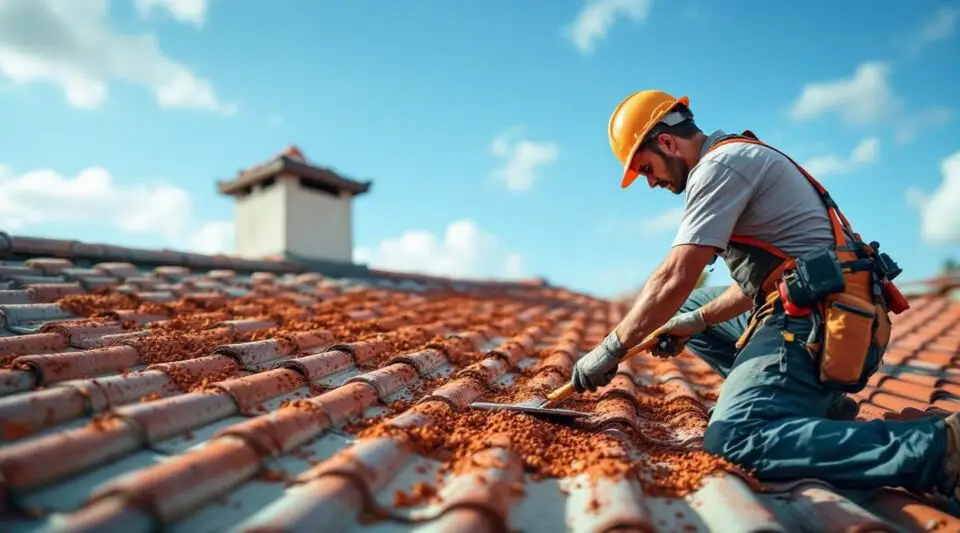
Commercial properties in the Las Vegas Valley face some of the most punishing solar exposure in the country.
Learn more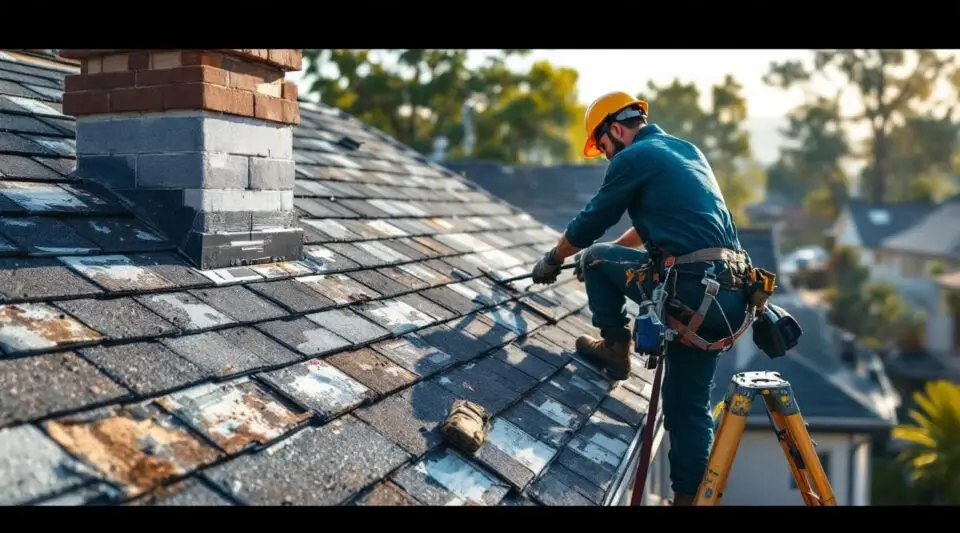
Managing a commercial property in the Las Vegas valley means constantly battling the elements.
Learn more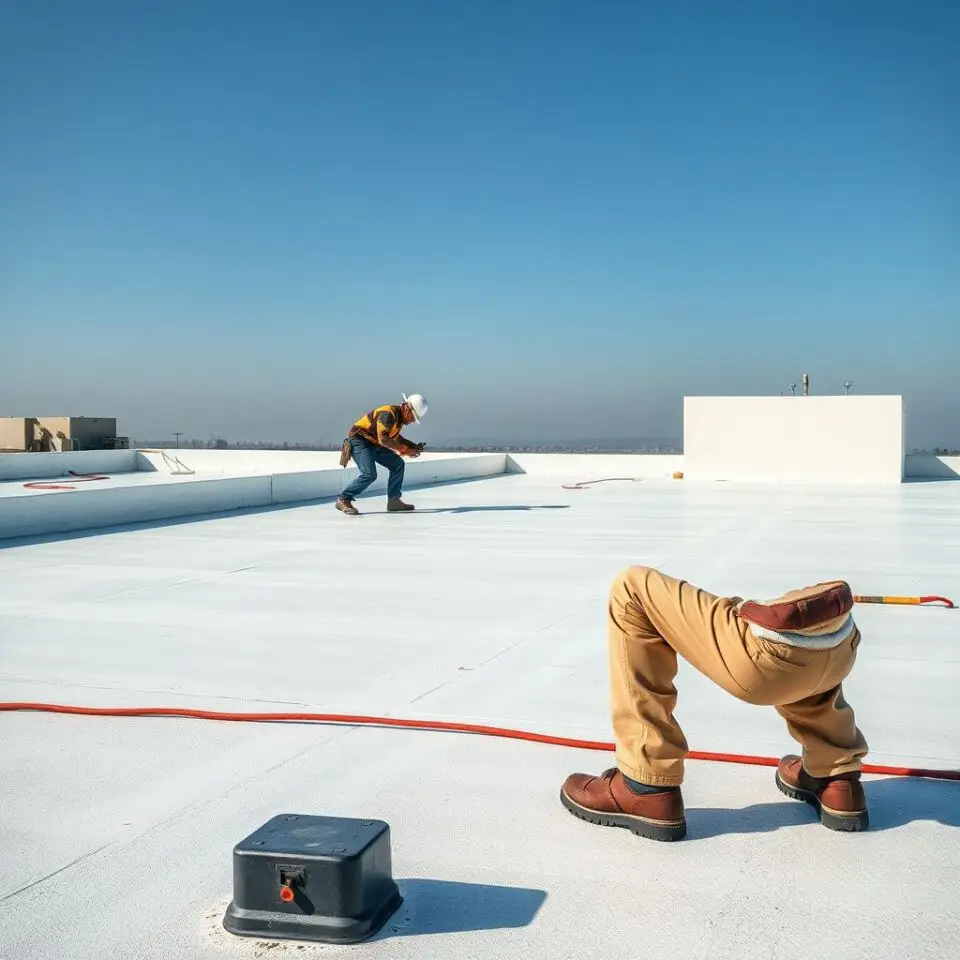
When the summer heat hits the Mojave Desert, roof surface temperatures on your facility can easily exceed 150°F.
Learn more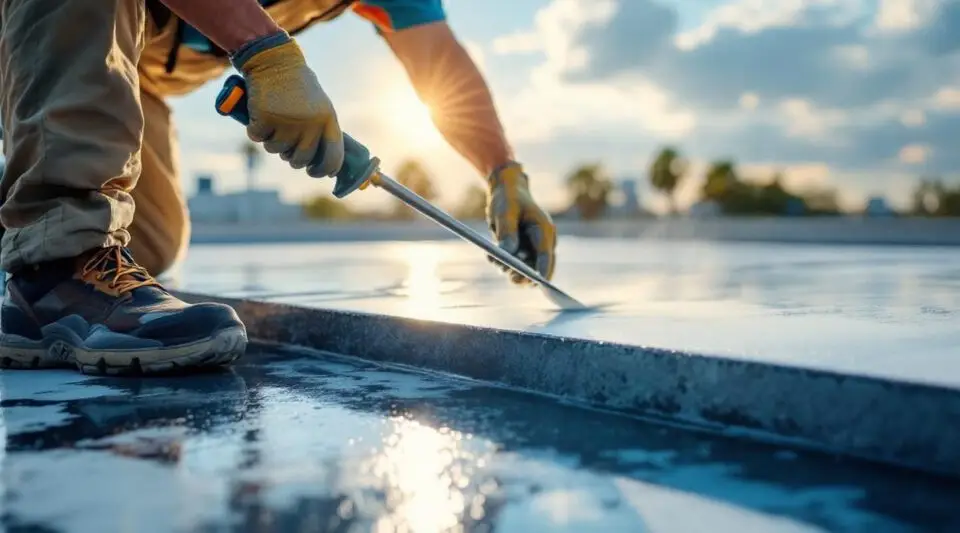
This roofing company went above and beyond what I expected. They employed high-quality materials, kept us updated on the project's progress, and finished ahead of schedule. The new roof looks great, and I trust the work they did.
Debbie Land
Santa Ana Roofing just put a new roof on our house. They gave a clear quote and a schedule that made sense. The workers worked hard every day and kept the job site clean. A professional put the roof on, and it looks great. Everything seemed easy and well-planned.
Anna Miller
We had an issue with our roof leaking at the office, and they came in, replaced the shingles, and fixed the damage. Professional and reliable.
Beatrice Taylor
After getting a roof inspection, they recommended replacing the shingles. The job was done on time, and the new roof looks fantastic.
Angelia Eichelberger
We hired Santa Ana Roofing to fix our flat roof. They talked about the materials they used and made sure the sealing was done correctly. The process went well, and the results have stayed nice.
Linda Gregory